Every year I hear some version of: "There's not enough work out there."
But after nearly two decades in this industry, I've watched the opposite happen — the total money flowing through landscaping has grown massively. Demand is up, expectations are up, and the standard for professionalism is higher than ever (especially in commercial work and high-end residential).
Let's look at the actual data — not opinions.
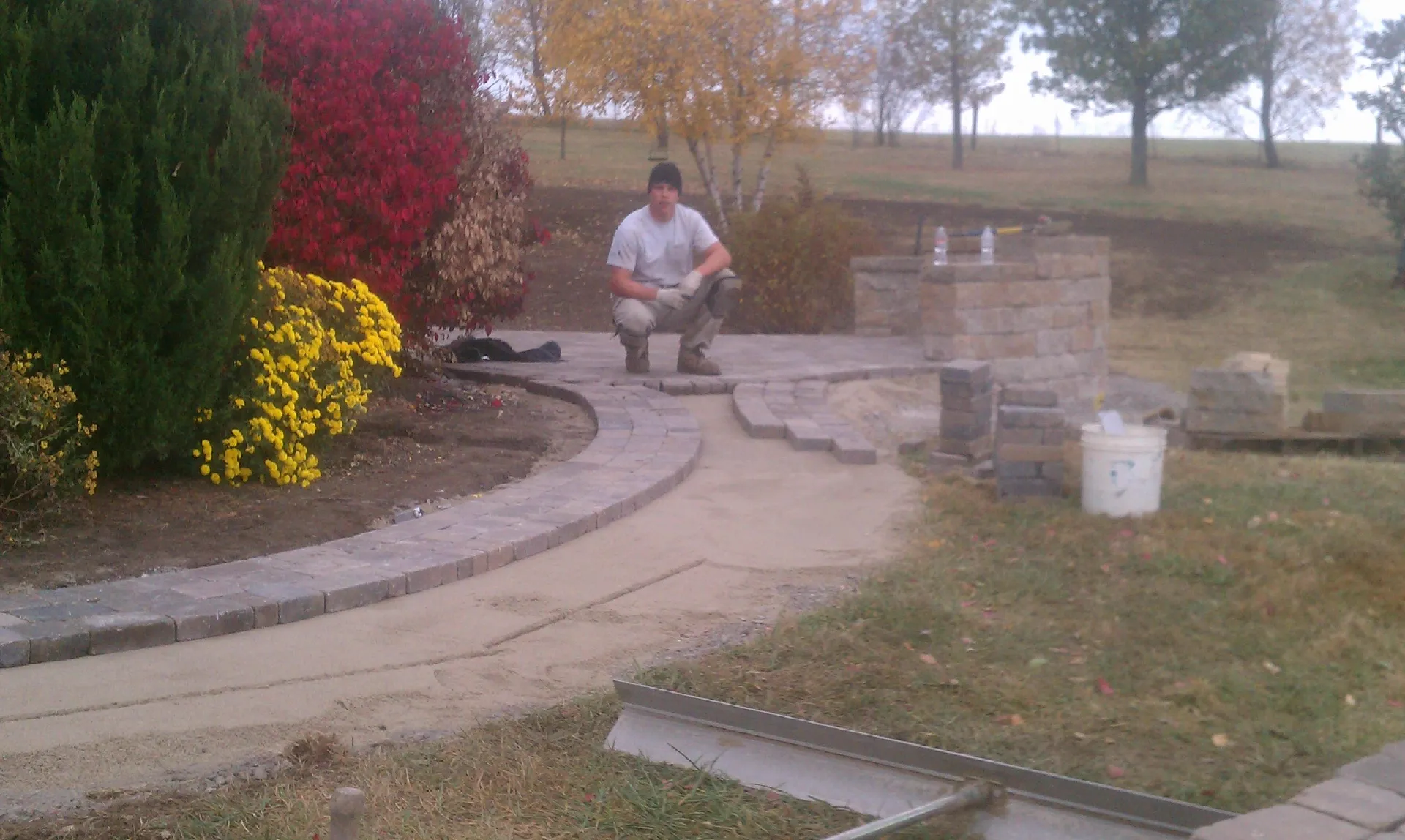
Me in 2012, a couple years into my career — laying pavers one stone at a time.
National Landscaping Revenue by Year (2012–2022)
The most "official" year-by-year revenue series that's publicly available comes from the U.S. Census Bureau's Service Annual Survey (published through the St. Louis Fed's FRED database) for Landscaping Services (NAICS 56173), employer firms.
| Year | U.S. Landscaping Revenue ($B) |
|---|---|
| 2012 | $51.9B |
| 2013 | $55.0B |
| 2014 | $62.2B |
| 2015 | $65.4B |
| 2016 | $72.1B |
| 2017 | $77.0B |
| 2018 | $87.0B |
| 2019 | $95.4B |
| 2020 | $98.6B |
| 2021 | $112.7B |
| 2022 | $130.7B |
What that growth looks like in plain English
From 2012 ($51.9B) to 2022 ($130.7B), landscaping revenue increased by roughly +152% — about 2.5× bigger in a decade.
That's not "a little growth." That's a major shift in how much investment is going into outdoor spaces nationwide.
So Why Are People Saying It's "Nearly $190B" Now?
You're not crazy — you're just seeing a different metric.
Industry research firms often publish "market size" estimates that are updated beyond what the Census year-by-year table currently shows. For example, IBISWorld lists:
- 2024: $178.5B
- 2025: $188.8B
- 2026: $188.8B
Why the "official revenue" and "market size" don't match perfectly
These are two different measurement approaches:
- Census/FRED = reported revenue for employer firms in landscaping services (official survey series; currently runs through 2022).
- IBISWorld = "market size" estimate/forecast using industry modeling (updated into 2024–2026).
What Actually Drove the Boom?
A few big forces pushed landscaping forward:
1) People started treating outdoor space like a "real room"
Especially after COVID, outdoor living went from "nice to have" to "how people live." Patios, lighting, privacy screening, drainage fixes, outdoor kitchens — all of it gained momentum.
2) Commercial properties raised standards
Property managers and facility teams got more serious about curb appeal, safety, drainage performance, and long-term maintenance planning. Landscaping stopped being "just mowing" and became part of the asset strategy.
3) Labor + materials changed the game
Even when demand is strong, a lot of contractors still feel squeezed because:
- labor got more expensive,
- insurance and equipment costs climbed,
- and customers expect tighter scheduling and cleaner documentation.
Which brings us to the most important point…
If the Industry Is Bigger, Why Do Some People Still Feel Like There's "No Work"?
In my experience, when someone says there's no work, it usually means one of these:
- Their marketing isn't capturing demand
- Their sales process is inconsistent (slow follow-up, vague estimates, weak close)
- Their pricing hasn't kept up with costs
- They're competing in the wrong lane (race-to-the-bottom vs. high-quality, built-to-last)
The work is out there. The industry numbers prove it. The winners are the contractors who operate like businesses — not hobbyists.
What This Means for Kansas City (Commercial + High-End Residential)
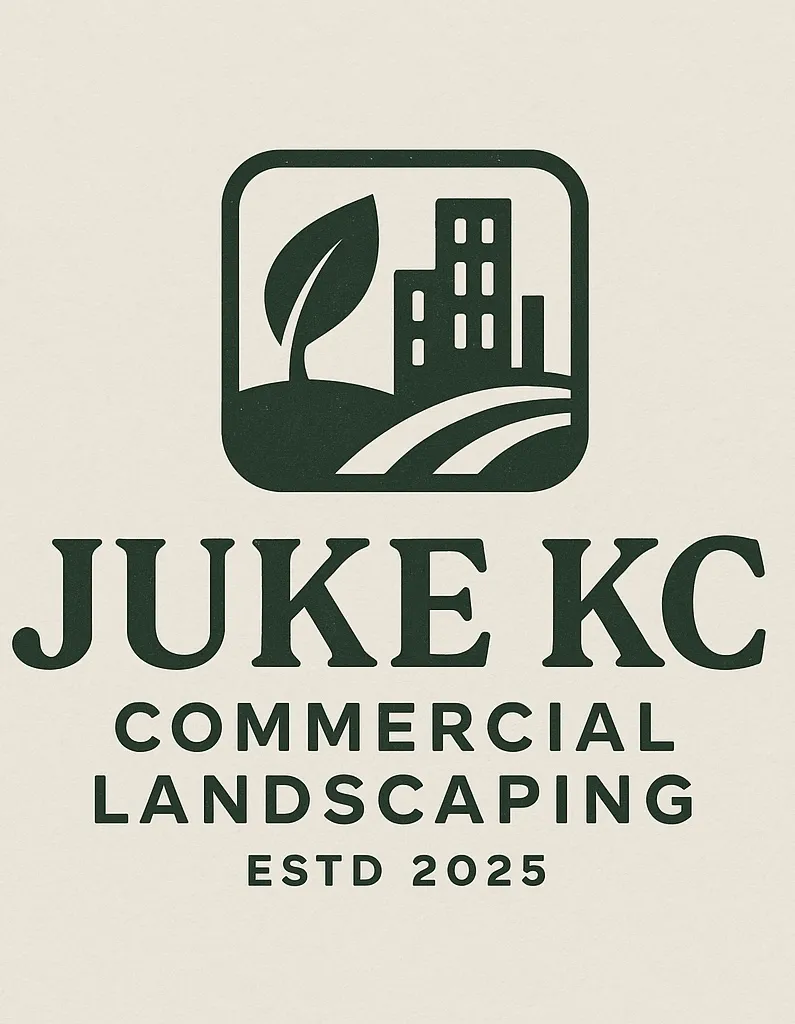
Kansas City is growing, and so is the expectation for outdoor spaces — in commercial developments and in premium residential neighborhoods.
The most accurate way to quantify "Kansas City's landscaping market" is to look at government datasets like the BLS Quarterly Census of Employment and Wages (QCEW) for the KC metro by industry code (NAICS 561730). Those datasets track things like establishments, employment, and wages by metro area.
Even without a perfect "KC revenue" number in this one post, the takeaway is still valuable:
A larger national revenue pool + rising local standards = more opportunity for contractors who deliver predictable results.
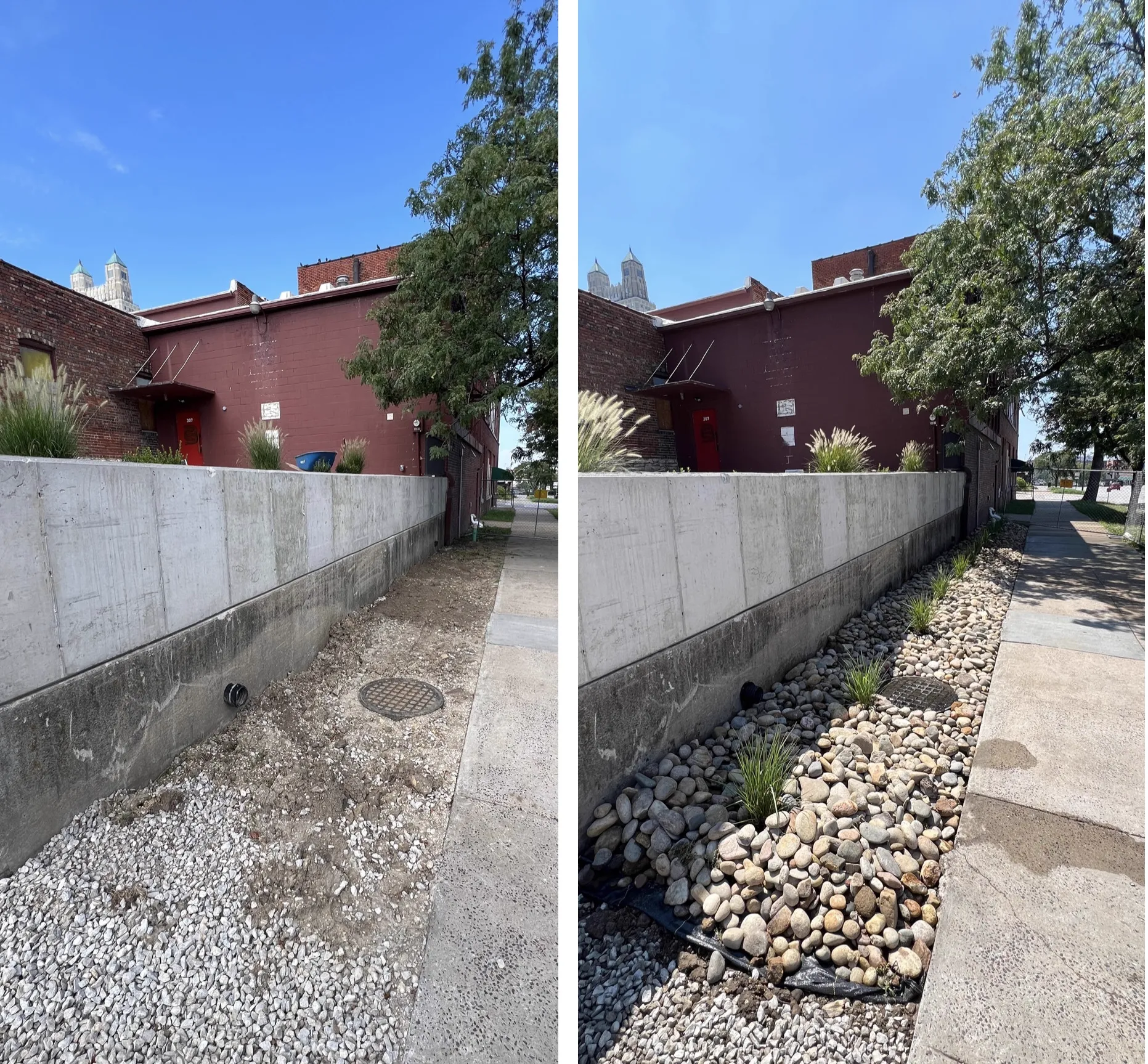
A commercial before-and-after from 2025 — drainage, river rock, and ornamental grasses.
How We Approach Projects at Juke KC
Whether it's commercial or high-end residential, we focus on:
- Built-to-last construction, not shortcuts
- Drainage-first thinking (water ruins everything if you ignore it)
- Clean job sites, clean lines, clean finishes
- Clear communication, documentation, and scheduling
If you're a property manager, business owner, or homeowner in Kansas City and you want outdoor work done the right way — I'm happy to take a look at your site and talk through options.

Lucas Miquelon
Owner, Juke KC Commercial Landscaping · Kansas City Metro
Call / Text: (816) 929-6086
Get an Estimate: Request a Quote →
Sources
- U.S. Census Bureau Service Annual Survey (via FRED): Total Revenue for Landscaping Services (NAICS 56173), Employer Firms.
- IBISWorld: Landscaping Services industry market size (2024–2026 estimates).
- BLS QCEW downloadable data files (metro/industry datasets).